Traditional Chinese Medicine
A whole medical system
It’s always been an inspiration to me that in previous times in China,
the village TCM physician would be paid a retainer to ensure ongoing health for the people under their care. If a person fell ill, payment would stop until health was restored. The motivation built into this agreement supported the very best knowledge and focused care, by the doctor, to keep everyone well. There was little motivation embedded in only treating disease. If disease arose, it was understood that the doctor had erred and therefore had to rectify the situation.
Also, when disease reveals itself, it is already ‘too late’ from the perspective of a medical system that is grounded in preserving and even enhancing the quality and quantity of Qi, and its correct flow in the body. These are held as primary factors in wellbeing. In this sense, prevention of disease and maintenance of good health has historically been a fundamental tenet of TCM—and I encourage all my clients to consider the common sense of this. Approaching TCM this way is especially a high priority now, not only given the unnatural physical, emotional, and psychological stressors that everyone is subject to in 21st Century life, but given my personal experience of believing I was doing all that was necessary to be well (and had every ‘external’ indicator that I was), only to be hurtled into a situation that revealed the fact that my underpinning Qi condition hadn’t been adequately addressed.
Regular monthly acupuncture, and where necessary herbal medicine, could have supported this more ‘hidden’ Qi layer of wellbeing that only the absence of disease symptoms does not.
Acupuncture
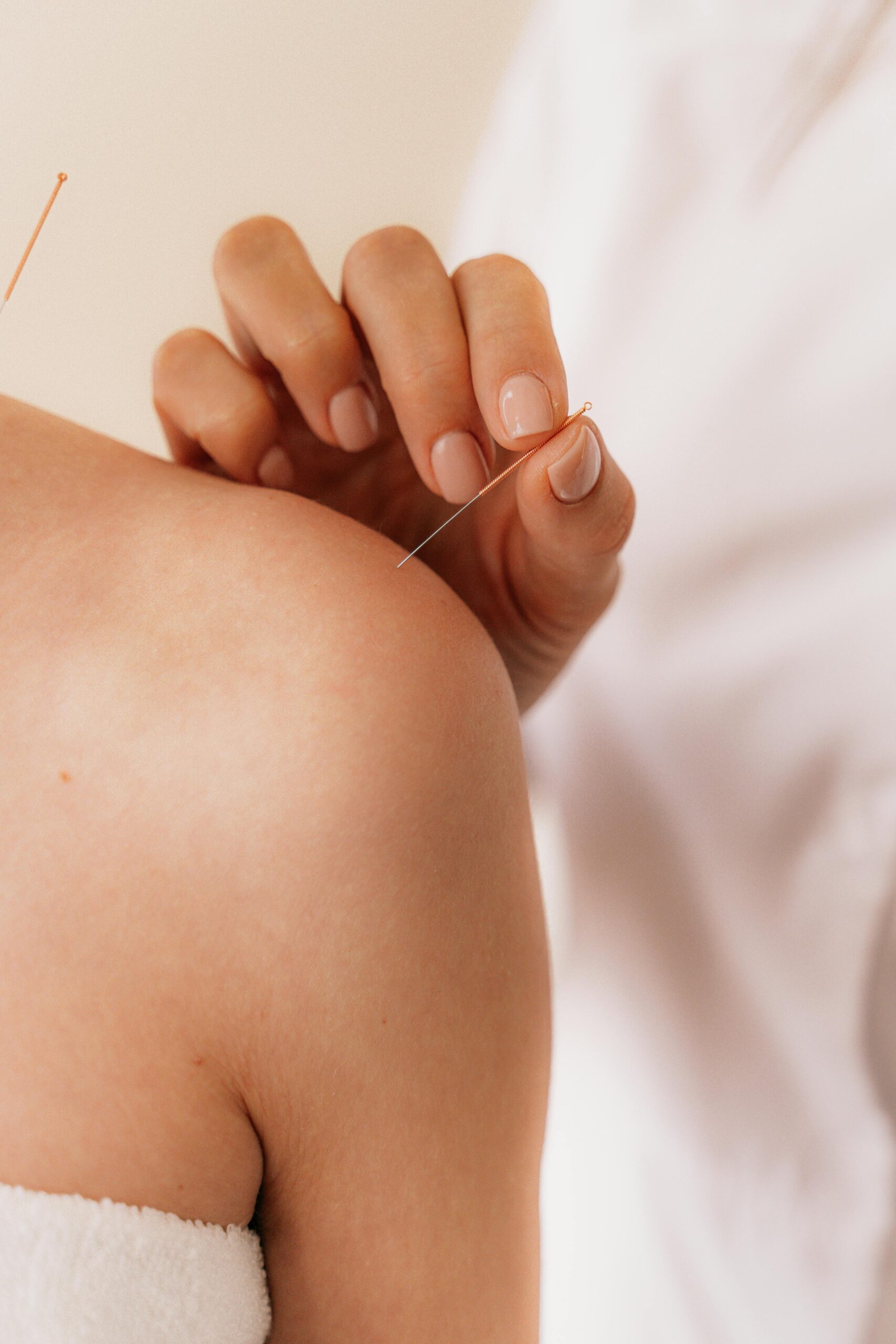
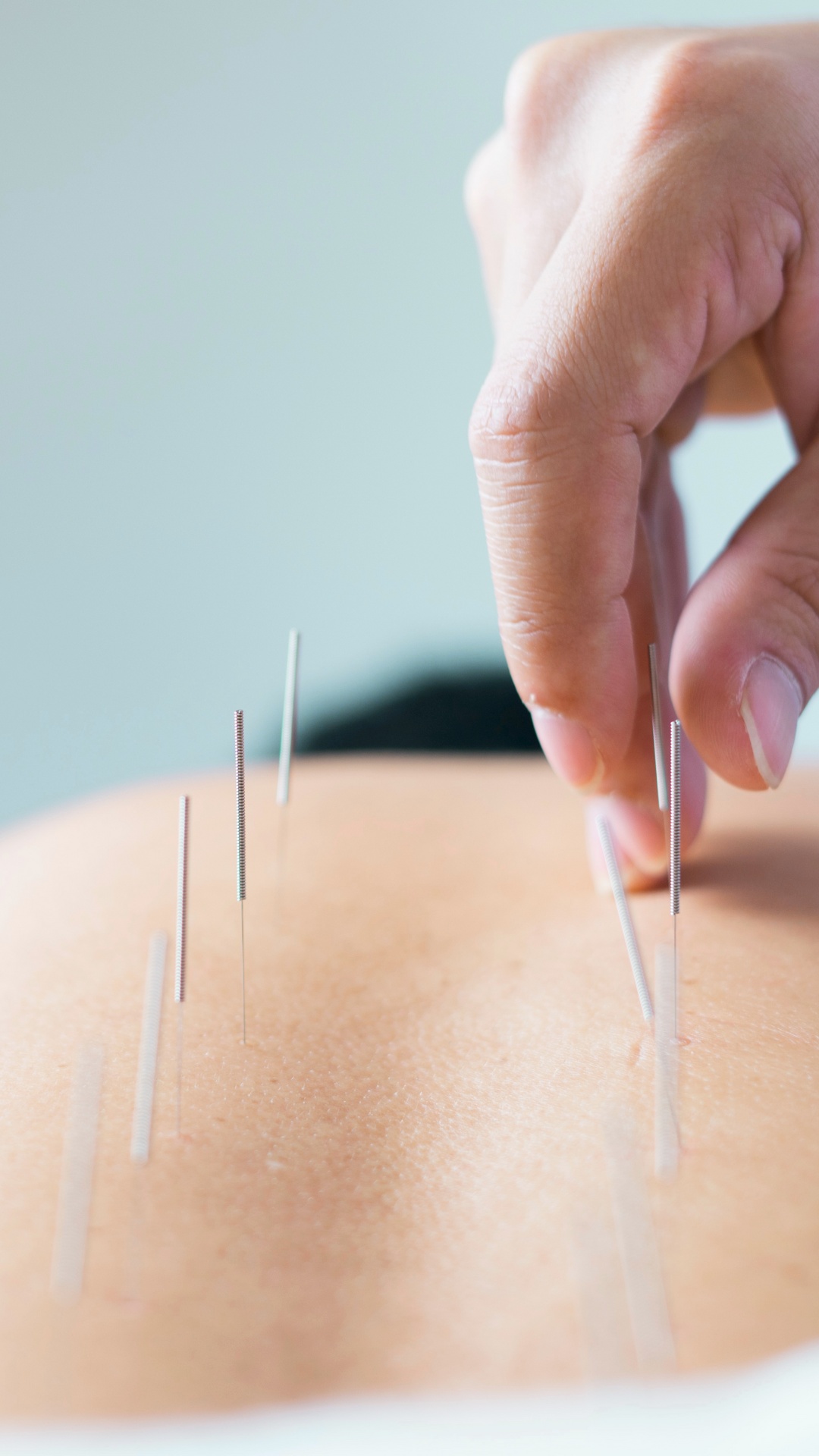
Most people today have a fair understanding of the intended purpose of acupuncture: the restoration of the good flow of high quality Qi (or ‘life force’) through the 12 major ‘body meridians’, plus the two additional ‘extraordinary’ meridians to restore physical wellbeing.
With most of these ‘body meridians’ carrying the names of vital organs like Lung Meridian, Heart Meridian, Kidney Meridian, Large Intestine or Gall Bladder Meridian, it seems self-evident that treating acupuncture points along these meridians, enables the acupuncturist to work directly on said organs. However, understanding and treating conditions is not as linear in TCM as it is in Western Medicine.
For instance, since Lung Qi is directly supported by Spleen Qi, a symptom in the lungs might in fact require treatment at the level of the Spleen, or at an earlier stage in the ‘Engendering Cycle’ of Five Element Theory, like at the level of the Heart Qi. In addition, in the comprehensive, holistic system of TCM, chronic (as well as acute) psychological and emotional states are also directly linked to the Qi condition of both our Yin organs and Qi channels.
A fascinating example of this, is related to how physical ailments or pathologies related to the organ of the Heart can render effects in the overall state of a person’s Shen (or Spirit).
Given that our Shen is viewed as the highest aspect of Self and is meant to be directing and guiding our highest purpose in life, when it cannot be ‘housed’ appropriately in a healthy ‘Heart’, it is less able to perform this higher function of human life.
The knock on effect is that because there is an inextricably strong connection between Shen and Mind, mood disorders like depression and anxiety, are highly likely to present.
Maintaining wellbeing through regular acupuncture then has far more significance than merely presenting with a symptom-free physical existence. With a new client, there is justifiable merit in a commitment to six acupuncture sessions.
Chinese Herbal Medicine
Herbs work synergistically and their prescription is an art - there is no one size fits all and at times could even seem counter-intuitive.
Herbs are ideally omitted and added according to many variables, including the ebbs and flows of the body and seasons and how syndromes adjust and change. Understanding that and knowing how to respond timeously and skilfully requires reverence and respect by someone who is highly knowledgeable and trained in this art.

Cupping Therapy
Cupping therapy is an ancillary treatment method within Traditional Chinese Medicine.
It involves gently elevating the skin and connective tissue (fascia) on targeted acupuncture points and meridians. This reverse deep tissue massage facilitates enhanced blood circulation, alleviates pain, diminishes inflammation, and fosters relaxation and overall well-being.
Recognizing the connection between physical and emotional stress – where trapped emotions and somatic memory are stored in the body – I frequently use cupping to shift heavy emotions linked to physical tension. Additionally, it is effective in addressing febrile conditions and sports-related injuries.

Electroacupuncture
Electroacupuncture is a modern advancement of traditional acupuncture, incorporating electrical stimulation into the treatment.
It involves inserting fine needles into specific acupuncture points and attaching electrodes to these needles to deliver a controlled electrical current. This additional stimulation enhances the benefits of acupuncture, improving pain relief, muscle relaxation, and blood flow.